
Japan PR Agency vs. Influencer Agency vs. Advertising Agency
How PR, influencer and advertising agencies differ in Japan: what each produces and charges, market data, labeling rules and which a gadget brand needs first.
Gloture Editorial TeamPublished 5 min read
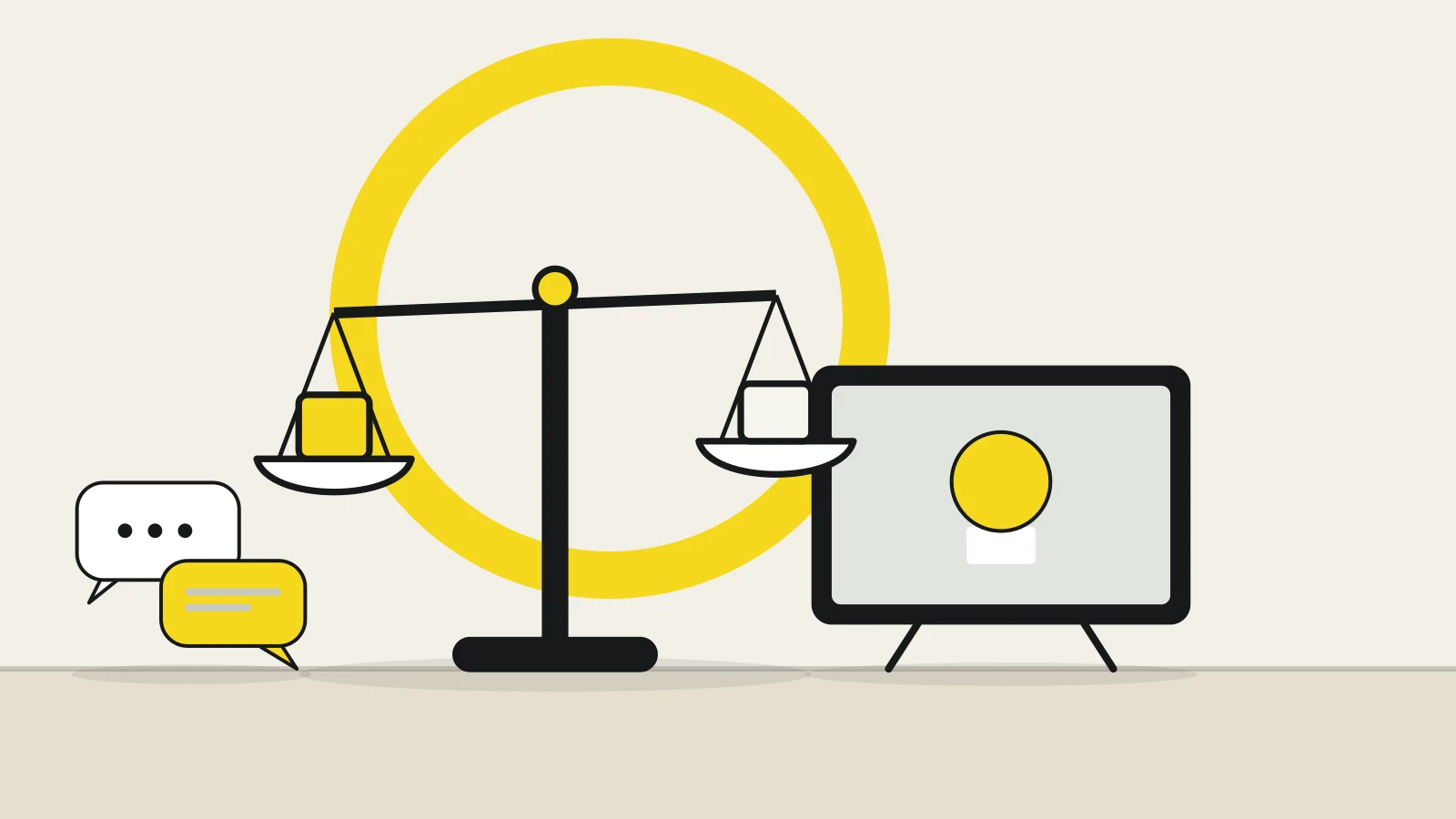
Earned, paid creator or paid media
- How each charges
- Market size
- When to use which
- Labels
Contents
Short answer: In Japan, a PR agency works to earn independent coverage: editors decide, nothing is guaranteed, and you pay for the work. An influencer agency arranges paid content with creators, which you control more closely and must label as advertising. An advertising agency buys media space, so placement is guaranteed but readers know it is an ad. Most gadget launches start with PR and add creators or advertising once the product is on sale and the story is proven.
Three kinds of agency, three kinds of media
What each agency produces
PR agency
- Who decides
- Editors
- Guaranteed?
- No
- You pay for
- The work
- Label
- None needed
Influencer agency
- Who decides
- You and the creator
- Guaranteed?
- Yes, as agreed
- You pay for
- Creator fee + agency fee
- Label
- Advertising (広告, PR…)
Ad agency
- Who decides
- You
- Guaranteed?
- Yes
- You pay for
- Media space + production
- Label
- An ad by format
The difference is who decides what appears, and what you are paying for.
- PR agency: earned media. The agency prepares your story and materials and approaches editors, reporters and reviewers. If they cover the product, they decide the angle and wording. You pay for the agency's work, not for the article.
- Influencer or creator agency: paid creator content. The agency selects creators, negotiates fees, writes briefs and checks content before it goes live. You pay the creator's fee plus the agency's fee, and you have a say in the content. In Japan it must be clearly labeled as advertising.
- Advertising agency: paid media. The agency plans and buys space: search and social ads, online video, TV, transit or outdoor. Placement is guaranteed because you pay for it, and you control the message.
The lines blur in practice. Many large PR firms in Japan also offer influencer and digital services, and advertising groups own PR subsidiaries. What matters is which kind of media a given piece of work produces, and whether it is labeled correctly.
How each one charges
PR agencies usually charge a monthly retainer, a fixed project fee or, especially for TV, a success fee per placement. See what a Japan PR agency should actually deliver for the contract forms and what they include.
Influencer agencies charge the creator's fee plus a fee for casting, direction and management. Japanese agency guides describe it in different ways, for example as 15–25% of total spend (DONUTS PROMOTION, in Japanese), or as 20–30% of the creator fee or a fixed project fee (TaTap, in Japanese). Samples, shipping and usage rights for reusing the content are often extra. See what Japanese YouTubers charge for sponsored videos.
Advertising agencies are paid on the media they buy, through a margin built into the media price or a separate fee, plus production costs. Ask whether prices are quoted gross (with margin) or net (with a separate fee).
How big each market is
Japan advertising expenditure 2025 (trillion yen)
- Total8.06tn
- Internet4.05tn50.2% of the total, a first
- TV, newspapers, magazines, radio2.3tn
Japan's total advertising spending reached ¥8.0623 trillion in 2025. Internet advertising, at ¥4.0459 trillion, passed half of the total (50.2%) for the first time, while TV, newspapers, magazines and radio together accounted for ¥2.298 trillion (Dentsu, 2025 Advertising Expenditures in Japan, March 2026, in Japanese). Dentsu's release doesn't break out PR or influencer spending.
For influencer marketing, the latest published estimate from CyberBuzz and Digital InFact put the Japanese market at ¥86.0 billion in 2024, with a forecast of ¥164.5 billion in 2029 (CyberBuzz, November 2024, in Japanese). We found no comparable official figure for PR agency spending in Japan.
When to use which
A common order for a gadget launch
- 1PRCredibility and angles that work
- 2CreatorsSeen in use, once people can buy
- 3AdvertisingScale a proven message
Start with PR when the product is new to Japan and you need credibility: independent articles and reviews that retail buyers, distributors and shoppers can check. PR also tests which angles Japanese editors and readers respond to, which makes later creator and ad spending more effective. See how product PR works in Japan.
Add creators when the product benefits from being seen in use, and there is somewhere to buy it in Japan. Creators reach audiences that may not read gadget media, and you can choose the timing. Choose channels by recent views and category fit, not subscriber count: see how to find and vet Japanese YouTubers.
Add advertising when you have a proven message, a Japanese product page that converts, and the budget to scale reach. Advertising guarantees exposure, but on its own it doesn't create the third-party trust that Japanese shoppers often look for in unfamiliar foreign brands. See why Japanese consumers need more trust before buying unknown overseas products.
Using more than one agency
If you use several agencies, decide early:
- Who owns the story and the dates. Creator videos and ads should follow the angle that earned media validated, and not go live before an embargo lifts.
- Who handles samples. Media and creators both need units in Japan.
- How results are reported. Keep independent, owned and paid results in separate columns, so you can see what each one did. See how to measure product PR ROI in Japan.
- Who checks labels. Paid creator content must be labeled as advertising in Japan, and the advertiser is responsible; see sponsored content, editorial coverage and seeding.
Where Gloture fits
Gloture is a PR company first: our work for overseas consumer brands is earned media. Where a launch needs creators too, we also run Japanese YouTuber campaigns, labeled as advertising. We don't buy advertising space. Product PR in Japan starts from US$2,500, and creator campaigns are quoted on request. We don't guarantee coverage or sales. To compare typical market costs across PR, creators, events and outdoor advertising, try the Japan PR Cost Estimator, or start a Japan PR Review.
Choosing the right agency: checklist
Choosing the right agency
- Is the product new to Japan and in need of credibility?
- Can people buy it in Japan yet?
- Does it need to be seen in use?
- Is the message proven enough to scale with ads?
- Who owns the story and the dates across agencies?
- Who handles samples in Japan?
- Are paid and earned results reported separately?
- Who checks advertising labels?
Frequently asked questions
Is PR cheaper than advertising in Japan?
They buy different things, so the comparison is not direct. PR pays for work that may produce independent coverage; advertising pays for guaranteed space. A PR project can run on a modest budget, but its results can't be guaranteed.
Can a PR agency run influencer campaigns?
Many can, either in-house or with partners. Content made in exchange for payment is advertising in Japan, and free products given with a request to post usually make it advertising too, depending on the facts. It must be labeled clearly even when a PR agency runs it.
Do we need an advertising agency to buy ads in Japan?
Not always. Search and social ads can be bought directly. Agencies help with Japanese creative, media planning and premium media such as TV, transit and outdoor, which are usually sold through agencies.
Which should a gadget brand start with?
Usually PR, because independent reviews build trust and show which angles work. Add creators once the product is available to buy in Japan, and advertising once the message and product page are proven.
This article is prepared by the Gloture editorial team based on Gloture’s experience supporting product PR in Japan.
Related guides
 Product PR
How Product PR Works in Japan: A Guide for Overseas Consumer Brands
Gloture Editorial TeamPublished Updated 7 min read
 Creator campaigns
How Much Do Japanese YouTubers Charge for Sponsored Videos?
Gloture Editorial TeamPublished 4 min read
 Product PR
What Should a Japan PR Agency Actually Deliver? Contracts, KPIs & Red Flags
Gloture Editorial TeamPublished 6 min read