
Can PR Help Your Product Enter Yodobashi Camera or Bic Camera?
What PR can and can't do for Yodobashi Camera or Bic Camera entry: how big-box chains source products, what buyers check, and where coverage helps.
Gloture Editorial Team8 min read
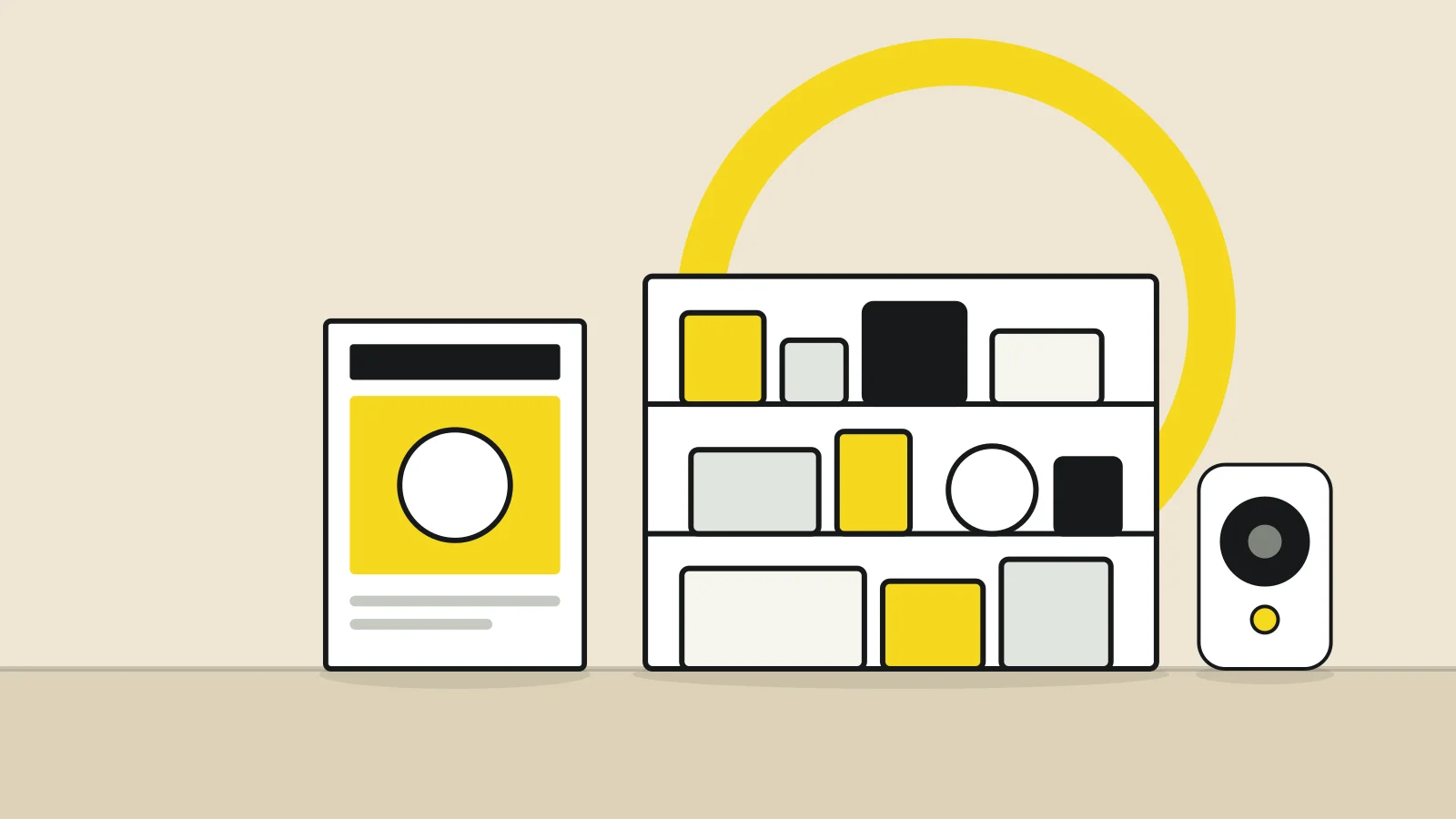
PR supports the buyer conversation
- How chains source
- What buyers check
- Where PR helps
- Limits of PR
Contents
- Why founders ask about these two chains
- Does either chain publish a supplier or new-product proposal route?
- How big-box electronics retailers usually source new products
- What buyers look at
- Where PR helps
- Where PR stops
- A realistic path for an overseas gadget brand (illustrative)
- Where Gloture fits
- Frequently asked questions
Short answer: PR can make a Yodobashi Camera or Bic Camera conversation easier, but it can't get you onto the shelf. Both chains decide what they stock through their own buyers, and neither publishes a new-supplier route we could verify for this article. In practice, overseas brands usually reach big-box electronics retailers through a Japanese distributor, importer or trading company that already supplies them. What PR adds is evidence and language: Japanese coverage, search demand, crowdfunding results and a product story that buyers and floor staff can repeat. Certification, Japanese packaging and support, margin and reliable supply still decide the outcome.
Why founders ask about these two chains
Yodobashi Camera and Bic Camera have large flagship stores in Tokyo and other major cities, and both run large online stores. For a gadget brand, seeing the product on one of those floors is an obvious milestone. It's worth separating what is known about each company from what is often assumed.
Bic Camera
Bic Camera, Inc. is listed on the Tokyo Stock Exchange (code 3048). For the fiscal year ended 31 August 2026, it reported consolidated net sales of ¥1,041,165 million, up 6.8% on the previous year (Bic Camera, results announcement, 9 October 2026, in Japanese). Its consolidated subsidiaries include Kojima, which also runs co-branded "Kojima × Bic Camera" stores, and Sofmap, so "Bic Camera" in a supplier conversation can mean a group with several store formats and its online store, Bic Camera.com.
The group figure includes businesses beyond store retail, so treat it as the size of the group, not the sales of any category or store.
Yodobashi Camera
Yodobashi Camera is privately held and doesn't publish investor-relations filings the way listed chains do. We couldn't open its corporate website to verify current figures when writing (checked 20 October 2026), so we don't quote sales or store counts here. What is clear from its public sites is that it runs large stores in major city centers and a large online store, Yodobashi.com.
Does either chain publish a supplier or new-product proposal route?
We checked on 20 October 2026.
- Bic Camera: a page titled 新商品のご提案受付 (new product proposals) has appeared in search results for Bic Camera's corporate site in the past, but we couldn't open it or Bic Camera's corporate pages from our checks, so we can't confirm whether it exists now or what conditions it sets. Check Bic Camera's corporate website directly.
- Yodobashi Camera: we found no public new-supplier or new-product proposal page in search, and we couldn't open its corporate website to check further. Treat it as a chain reached through existing suppliers unless Yodobashi publishes otherwise.
For comparison, Yamada Denki publishes a new product proposal page for companies, specifically makers, wholesalers and trading companies, and accepts only commercialized products it can sell; it replies by email after review, which can take time (Yamada Denki, in Japanese). That wording is a useful signal of how the category works: large electronics retailers deal with companies that can act as Japanese suppliers. We list the routes we verified for other retailers in How to Enter Japanese Retail Stores.
How big-box electronics retailers usually source new products
Without a public route, the practical paths are the ones Japanese electronics retail has long used:
| Route | Who approaches the buyer | Typical fit |
|---|---|---|
| Japanese distributor or importer | A partner with existing accounts | Most overseas gadget brands |
| Wholesaler or trading company | A company already supplying the chain | Accessories, peripherals, broad ranges |
| Direct maker relationship | The brand's Japanese entity | Brands with a Japanese company, stock and support |
| Crowdfunding-linked programs | Platform plus retailer | New products after a campaign |
The last row is real but limited. In September 2023, BCN reported that Makuake was opening "Makuake SHOP" areas for products launched on Makuake in seven Yodobashi Camera stores, adding to two existing locations, with products chosen to suit each store's customers and the lineup updated regularly (BCN+R, 5 September 2023, in Japanese). CAMPFIRE and Bic Camera ran a program called ビックFIRE (Bic FIRE) for products after crowdfunding; in a February 2024 release CAMPFIRE said products selected by Bic Camera buyers had been sold in stores, and that applications were open (CAMPFIRE, 5 February 2024, in Japanese). We haven't verified whether either program runs in the same form today, and both involve selection by the retailer or platform, not automatic placement.
The usual path to a big-box shelf
- 1
Brand
Product, certification, Japanese materials
- 2
Japanese supplier
Distributor, importer or trading company: import, stock, support
- 3
Retail buyer
Selects, or doesn't
- 4
Store and online listing
On the retailer's terms
Whatever the route, the supplier needs to handle import responsibilities, Japanese invoicing and delivery, stock, returns and after-sales support. That is why distributors are so common. If you haven't decided how to work with one, see Should You Start PR Before Finding a Japanese Distributor?
What buyers look at
Buyers at large electronics chains are managing shelf space, stock risk and their stores' reputation. The questions are commercial before they are creative.
Sell-through evidence
Will it sell here? Japanese evidence counts most: a Japanese crowdfunding result, Japanese online sales and reviews, coverage in Japanese media, and reactions from pop-ups or showroom stores. Overseas results are context.
Japanese packaging, manual and support
Shoppers compare products on the shelf with staff help. Japanese packaging, a Japanese manual and a Japanese support contact are expected. A product that can only be supported in English is a risk for the store selling it.
Certification
Many electrical and wireless products need PSE marking or radio certification (giteki) before sale. Buyers and distributors check this early. See the Japan Product Compliance and License Checklist; this article isn't legal advice.
Margin and price structure
The shelf price has to leave room for the retailer and usually a distributor. Buyers also look at your online price: if your Japanese web store or a marketplace seller undercuts the shelf, that is a problem. We don't publish typical margins because reliable public data is limited; ask prospective partners.
Supply and returns
Can you deliver on time, restock after a feature and handle defects and returns in Japan? Running out, or changing specifications without notice, damages the relationship quickly.
For the full self-assessment, use the Japan Retail Readiness Checklist.
Where PR helps
PR works on the parts of a buyer's decision that are about awareness and credibility.
- Awareness and search demand. A reader who sees your product in a Japanese article often searches for it next. Branded searches and visits to listings are signals a partner can show a buyer, if you track them from a baseline. See how to measure product PR ROI in Japan.
- Credibility. Independent editorial coverage tells a buyer that Japanese editors found the product worth explaining. A short coverage report (outlet, date, headline, angle) is more useful in a meeting than a logo wall. Keep earned features separate from press-release reposts on partner sites, which are a different kind of evidence.
- Crowdfunding results. A Japanese campaign supported by PR produces numbers buyers understand: Japanese backers, amount raised, dates.
- The product story in Japanese. The one-line description, use scenes and key facts written for media become the language of the proposal, the shelf card and the staff briefing.
Where PR stops
- PR doesn't decide purchasing or merchandising. Buyers decide what they stock, where it goes and for how long.
- No one can promise a shelf. Be wary of anyone who says coverage, a TV feature or a campaign result will put you on the shelf at a named chain.
- PR doesn't fix the commercial basics. Without certification, a seller of record, margin and supply, coverage can't carry the conversation.
- Coverage fades. A strong article six months before the product is available to retailers is weaker evidence than steady recent signals.
What PR adds, and what decides the listing
What PR can add
- Awareness and search demand
- Credibility from independent coverage
- A coverage report for buyers
- A Japanese product story staff can repeat
What decides the listing
- The buyer's selection
- Certification
- Japanese packaging, manual and support
- Margin, supply and returns
A realistic path for an overseas gadget brand (illustrative)
This is a hypothetical sequence, not a guarantee of any outcome:
- Confirm certification and who imports and supports the product in Japan.
- Launch in Japan through crowdfunding or Japanese e-commerce, with PR around the launch.
- Build evidence: coverage report, Japanese reviews, sales over time, pop-up or showroom reactions.
- Agree terms with a distributor or trading company that already supplies electronics chains.
- The partner presents the product to buyers, using your evidence and Japanese materials.
- If a buyer takes it on, plan launch PR together with the partner and retailer so price and dates match.
For how the major chains compare, see How to Approach Japanese Electronics Retailers and Sales Partners.
Where Gloture fits
Gloture prepares Japanese press releases, distributes them, approaches relevant Japanese editors and outlets from its own media list and coordinates media requests such as samples and interviews. That produces the Japanese story and the coverage report a distributor or buyer can use. Drawing on our own retail experience, including b8ta Tokyo and pop-ups at Marui, we can advise on retail readiness and make introductions where they make sense. We are not a distributor, importer or retailer, we don't handle import, inventory or logistics, and we can't promise listings at Yodobashi Camera, Bic Camera or any other chain.
Gloture's Product PR starts from US$2,500; the scope is agreed for each project. If you're planning a Japan retail path, tell us about your product.
Frequently asked questions
Can I email a Yodobashi or Bic Camera buyer directly?
We haven't found a public buyer contact or supplier route for either chain that we could verify. Most overseas brands work through a Japanese distributor or trading company that already supplies them.
Will Japanese media coverage get my product stocked?
Not by itself. Coverage is evidence that helps a partner's pitch. Buyers still weigh sell-through, margin, certification, support and supply.
Is a crowdfunding success enough for a big-box retailer?
It helps, especially a Japanese campaign, because it shows Japanese consumers committed money. Crowdfunding-linked retail programs have existed, but they involve selection, and general retail still needs the commercial basics.
Should I target smaller stores first?
Often, yes. Specialty stores, showroom-style stores and pop-ups can build the proof larger chains look for. See Japan Offline Retail Channels for Consumer Product Brands.
This article is prepared by the Gloture editorial team based on Gloture’s experience supporting product PR in Japan.
Related guides
 Retail & Market Entry
How to Approach Japanese Electronics Retailers and Sales Partners
Gloture Editorial Team8 min read
 Retail & Market Entry
Japan Retail Readiness Checklist: Are You Ready to Approach Buyers?
Gloture Editorial Team5 min read
 Retail & Market Entry
Should You Start PR Before Finding a Japanese Distributor?
Gloture Editorial Team9 min read
More in Retail & Market Entry
How to Launch a Gadget in Japan Without a Local Marketing Team
A five-step plan for launching a gadget in Japan from abroad: compliance, sales route, Japanese materials, PR and creators, and support, plus who does what.
Japan-Side Execution Without Hiring: What Overseas Product Brands Can Outsource
Which Japan launch tasks overseas product brands can outsource, which roles they can't, how hourly local execution support works and what it costs.
AI-Generated Product Pages in Japan: Trust Risks, Copy Risks and Localization Mistakes
Why a fluent AI-written Japanese product page can still fall short: copy and claim risks, missing details, support, proof and a trust checklist before launch.
The Hidden Costs of Selling Products in Japan
The hidden costs of selling products in Japan beyond translation and fees: page depth, support, samples, returns, claim review, labels and trust-building.